Houston septic repair & pumping
Signs Your Septic Tank Needs Repair
Seven warning signs that your septic system is telling you something is wrong. Catch these early and you can avoid a full emergency.
Repair, pumping, inspection, installation, and urgent septic help.
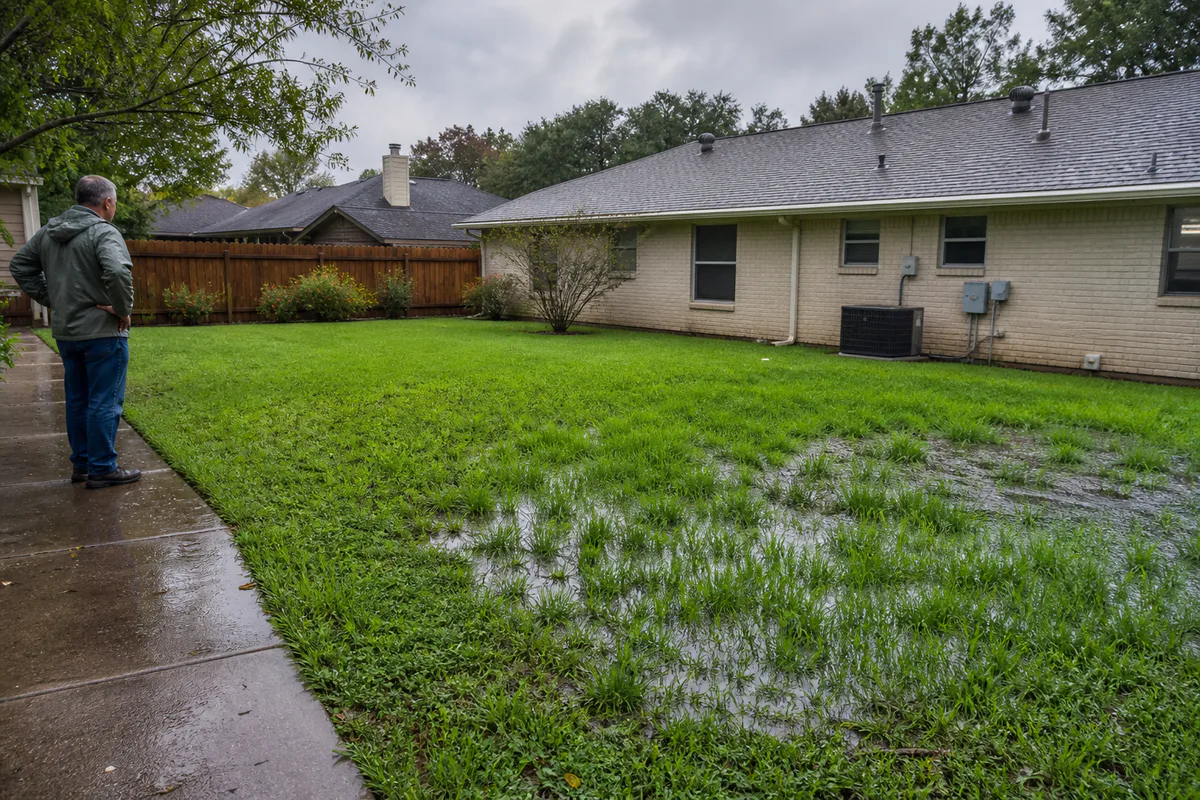
A septic problem rarely introduces itself clearly. It may start with a tub that drains slowly, a new gurgle after the washing machine runs, or a damp patch that stays long after the rest of the lawn dries. One clue is not a diagnosis. Several clues at once are a good reason to stop guessing.
1. Are several drains slow at once?
A single slow drain usually means a clog in that fixture. When every drain in the house is slow at the same time, that is a septic problem. Your tank is full, your drain field is saturated, or there is a blockage in the main line between the house and the tank.
If plunging and clearing one fixture does not help, stop and consider the system as a whole. Several slow fixtures, especially alongside gurgling or outdoor symptoms, justify a septic inspection.
2. Is there a persistent sewage odor?
A healthy septic system should not produce a noticeable smell. If you are catching a rotten egg smell near your drains, in the yard, or around the tank lid, something is wrong. Common causes include a full tank, a broken vent pipe, a cracked lid, or a failed baffle that is letting solids escape.
A sewage smell in the house is especially urgent. It can indicate a backup is about to happen or that sewer gases are entering the living space. Those gases include hydrogen sulfide and methane, which are harmful at high concentrations.
3. Do drains or toilets gurgle?
That gurgling noise when your washing machine drains or when you flush a toilet is air being forced through the system. It usually means the line is partially blocked or the tank is so full that wastewater has nowhere to go. Air gets trapped and pushes back through the drain lines.
Gurgling can also come from a plumbing vent or line blockage, so do not diagnose the tank from sound alone. Note when it happens and whether several fixtures are affected.
4. Is the drainfield wet during dry weather?
Puddles near your septic tank or drain field, especially when it has not rained recently, mean your system is overflowing. The drain field can no longer absorb the effluent, so it surfaces. This water contains raw sewage and is a health hazard.
After extended wet periods, clay-heavy soil can hold water and leave a drainfield temporarily saturated. If the symptoms continue after the soil dries, the system needs a closer inspection.
5. Is one strip of grass unusually green?
If one patch of your yard is noticeably greener and lusher than the rest, especially over the drain field, that is a sign of effluent surfacing. The "nutrients" making that grass so green are coming from untreated sewage. It looks healthy but it is a problem.
6. Is wastewater backing up indoors?
This is the sign nobody can ignore. When sewage comes up through floor drains, bathtubs, or toilets, your system has failed to the point of emergency. Stop using water immediately. Do not flush. Do not run the washing machine or dishwasher. Call for emergency septic service right away.
A backup can happen for several reasons: the tank is completely full, the outlet baffle has failed, a pipe between the tank and drain field has collapsed, or the drain field is biologically dead. A professional needs to diagnose the root cause.
7. Is the septic alarm sounding?
Many aerobic and pump-assisted systems have alarms. Reduce water use and follow the manufacturer or maintenance-provider instructions. Silencing an alarm does not identify why it started.
What should you do next?
- Stop using water. No flushing, no showers, no laundry, no dishwasher. Every gallon of water you send down the drain makes the problem worse.
- Keep people and pets away. Sewage contains bacteria, viruses, and parasites. Do not let children or animals near standing sewage.
- Do not open the septic tank. The gases inside a septic tank can knock you unconscious or kill you in minutes. This is not an exaggeration. Leave it to professionals with proper equipment.
- Call a licensed septic company. Describe your symptoms. A good company will tell you whether it is an emergency and how fast they can get there.
Use the septic repair guide to understand what an inspection may cover. If sewage is entering the home, follow the separate septic emergency safety steps.
Can you wait and see?
A single slow sink may be a fixture clog. Multiple slow drains plus an outdoor odor or wet drainfield is different. Write down what changed, reduce water use if a backup seems possible, and arrange an inspection before the situation becomes harder to contain.
EPA’s “Frequent Questions on Septic Systems” lists backups, slow drains, gurgling, damp spots, odors, and bright green spongy grass among the common failure signs. That list is useful because it separates observable evidence from sales language.
Sources
- U.S. EPA, “Frequent Questions on Septic Systems” — common failure signs and inspection scope; retrieved 2026-07-27.
- U.S. EPA, “How to Care for Your Septic System” — water use, drainfield care, and service records; retrieved 2026-07-27.
- CDC, “Guidelines for Septic and Onsite Wastewater Systems” — sewage exposure and flooded-system precautions; retrieved 2026-07-27.
Septic Repair FAQs
What are the first signs of a septic tank problem?
Slow drains throughout the house, gurgling sounds from toilets and drains, and sewage smell in the yard or inside the home. These are the earliest warnings before a full backup.
Is a septic alarm an emergency?
Treat it as urgent. Reduce water use, check the system instructions, and contact the maintenance provider. An alarm can indicate a high-water condition or a mechanical problem, but the exact cause needs diagnosis.
Can I fix a septic backup myself?
No. Do not open the septic tank yourself. Septic gases (hydrogen sulfide, methane) can be deadly in enclosed spaces. Stop using water and call a licensed septic company.
How fast can you get here for a septic emergency in Houston?
Response time depends on location, weather, demand, and provider availability. Stop water use and tell the dispatcher whether sewage is entering the home or surfacing outside.
What causes a septic tank to back up?
A full tank, clogged outlet baffle, broken pipe, saturated drain field, or root intrusion. Regular pumping and inspection prevent most of these issues.
Request a Septic Inspection
Share the essentials and we’ll follow up about the right septic service.
Seeing More Than One Warning Sign?
Describe the symptoms and property location to request an inspection.
Get a free estimate