Houston septic repair & pumping
Emergency Septic Problems: What to Do Before Help Arrives
Immediate steps to reduce wastewater flow, avoid sewage exposure, and collect useful information before professional help arrives.
Repair, pumping, inspection, installation, and urgent septic help.
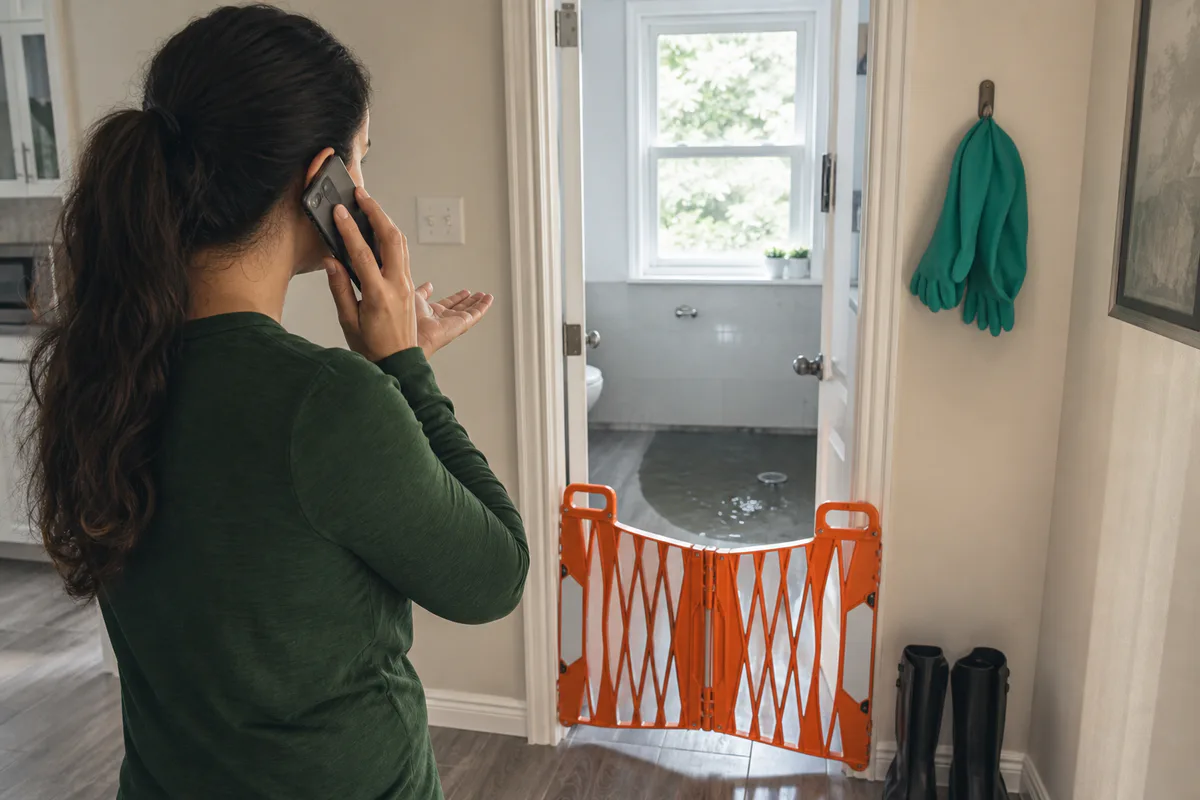
Sewage in a bathtub changes the order of the day. Stop the water, keep everyone away from the affected area, and make the call. Cleaning can wait until you know where the wastewater is coming from and the flow has stopped.
1. Have you stopped all water use?
This is the single most important thing you can do. Every gallon of water that goes down a drain makes the backup worse. That means:
- No flushing toilets
- No showers or baths
- No running the washing machine
- No dishwasher
- No running the kitchen sink
Tell everyone in the house. Put a note on the bathroom door if you have to. If you have kids, make sure they understand. One flush can push sewage into a tub or across a bathroom floor.
2. Is everyone away from the affected area?
Untreated wastewater can contain pathogens. CDC flood-safety guidance tells people to avoid standing water that may contain sewage. Keep the response boring and safe: close the area, keep shoes out of it, and do not let pets investigate.
- Close the door to any room with sewage backup
- Keep children and pets out of the yard if there is standing sewage
- If someone has contact with sewage, wash immediately with soap and clean water
- Do not walk through sewage barefoot or in socks
3. Is the septic tank still closed?
Leave the lid alone. A septic tank is a confined space, and opening it does not give a homeowner a safe diagnosis. Keep people away from the tank and wait for a trained professional.
4. What should you tell the dispatcher?
Call a licensed septic company and describe what you are experiencing. Be specific:
- Where is the backup? (Which drains, which rooms?)
- Is there standing water in the yard? Where?
- Is a septic alarm sounding?
- When did the problem start?
- When was the last time the tank was pumped?
For urgent septic service, state the active symptom first. “Sewage is entering the downstairs tub” is more useful than “the septic is broken.” Ask for the expected response window rather than assuming one.
5. Can you document it from a safe distance?
Take photos and video of the backup, the standing water, and any damage. This documentation helps with:
- Insurance claims (some homeowner policies cover septic backup damage)
- Helping the technician diagnose the problem before they arrive
- Creating a record for your home maintenance file
Take the photos from a safe distance. Do not wade into sewage to get a better picture.
6. What should you avoid doing?
- Do not add drain cleaner. EPA guidance advises avoiding chemical drain openers. They will not fix a full tank or failed drainfield.
- Do not pump the tank yourself. Even if you have a sump pump, pumping sewage into your yard creates a health hazard and may violate local codes.
- Do not ignore a septic alarm. If your aerobic system's alarm is going off, it means the water level is too high. Resetting the alarm does not fix the problem. It just silences the warning while the problem gets worse.
- Do not pour bleach or chemicals down drains. This kills the beneficial bacteria your system needs to function.
- Do not try to snake the main line yourself. A backed-up septic system is not the same as a clogged kitchen sink. The problem is in the tank or drain field, not the pipe.
What can common symptoms mean?
Sewage in the Bathtub or Floor Drains
This means the system is fully backed up. The tank is either completely full, the outlet baffle has failed, or the drain field is not accepting water. Stop using water and call for emergency service. A technician needs to pump the tank and diagnose the cause.
Standing Water in the Yard Over the Drain Field
Could mean the drain field is saturated or failed. If it has been raining heavily, it might be temporary. If it has not rained recently, you likely have a drain field problem. Keep people and pets away from the water.
Septic Alarm Sounding
Common on aerobic systems. The water level in the pump tank is too high. Possible causes include a failed pump, a clogged filter, or a drain field that cannot keep up. Stop water use and call for service.
Sewage Smell Inside the House
Could be a dry trap (run water in all drains for 30 seconds to refill traps), a cracked vent pipe, or an early-stage backup. If the smell persists after running water in all drains, treat it as a potential backup.
Multiple Drains Stopped Working at Once
When every drain in the house stops at the same time, the problem is in the main line or the septic system. This is not a single fixture clog. Stop water use and call for service.
What should the service report contain?
Once the technician has pumped the tank, cleared the backup, and diagnosed the cause, ask for a written report. The report should include:
- What was found in the tank (sludge levels, baffle condition, etc.)
- What caused the backup
- What was done to fix it
- What needs to happen next (repairs, maintenance schedule, etc.)
- Photos of the tank and any damage
A backup is a symptom, not a diagnosis. The technician should tell you why it happened, not just pump the tank and leave. If they cannot explain the cause, get a second opinion.
How can you reduce the chance of another backup?
EPA guidance recommends inspections every 1 to 3 years and pumping generally every 3 to 5 years, adjusted for tank size, household use, and solids. Keep the service records and respond to the early warning signs of septic trouble.
If the system is working again but nobody explained why it failed, request a non-urgent inspection. Pumping a tank and diagnosing a recurring backup are not the same job.
Sources
- CDC, “Guidelines for Septic and Onsite Wastewater Systems” — wastewater exposure and emergency precautions; retrieved 2026-07-27.
- U.S. EPA, “Frequent Questions on Septic Systems” — failure signs, inspections, and pumping intervals; retrieved 2026-07-27.
- U.S. EPA, “How to Care for Your Septic System” — water use, chemical drain openers, and service records; retrieved 2026-07-27.
Emergency Septic FAQs
What should I do first if my septic system is backing up?
Stop using water immediately. Do not flush, shower, run laundry, or use the dishwasher. Move people and pets away from any sewage. Then call a licensed septic company for emergency service.
Is it safe to open the septic tank myself to check the level?
No. Never open a septic tank yourself. The gases inside (hydrogen sulfide, methane) can cause loss of consciousness or death within minutes in an enclosed space. Wait for a professional with proper equipment.
How fast can you get to me for a septic emergency?
Response time depends on location, weather, demand, and provider availability. Stop water use and clearly state whether sewage is entering the home, surfacing outdoors, or triggering an alarm.
What counts as a septic emergency vs a non-urgent problem?
Sewage backing up into the home, sewage pooling in the yard, a failed pump alarm, or total drain failure are emergencies. Slow drains without backup or a faint odor are not emergencies but should be scheduled for inspection soon.
Request Emergency Service
Share the essentials and we’ll follow up about the right septic service.
Active Backup or Surfacing Wastewater?
Stop water use, keep people away, and request urgent service.
Get a free estimate